Five Practical Suggestions for How Churches Can Love Their Pastors Well
Chris Goins
 Who pastors the pastor? That’s the question one of my inner circle posed to me when my life completely crashed.
After pastoring for 34 years and ministering together for 39 years, my wife finally had enough.
She left.
The cause of her exit didn’t involve any of the big three: adultery or moral failure, addiction, or abuse. The death of our marriage was death by a thousand paper cuts.
Some of the primary culprits of our crash were things like the undiagnosed mental health issues both of us had lived with for years, our emotional dysregulation, and physical, mental, and emotional exhaustion. The collapse of our lives and marriage was the by-product of the “perfect storm.”
Feeling that our situation was hopeless, my wife came to believe that her only option was to leave.
Thankfully, after almost 60 days of separation, God performed a miracle of healing and restoration that continues today.
But the question remains: who pastors the pastor? When the bottom falls out of his or her life? When discouragement seems overwhelming? When depression seems suffocating? When their marriage is dinged, damaged, or broken? When the emotional and psychological well-being of pastors is trending downward, and burnout is a real possibility? Who stands in the gap?
In this post, we’ll explore three reasons for the current statistics on pastor burnout and depression and five ways churches and ministries can respond.
The Vulnerability of Charles Spurgeon
Charles Haddon Spurgeon is considered one of the greatest preachers and pastors ever. His pastoral ministry is legendary. During his lifetime, he preached to approximately 10 million people, often speaking ten times a week.
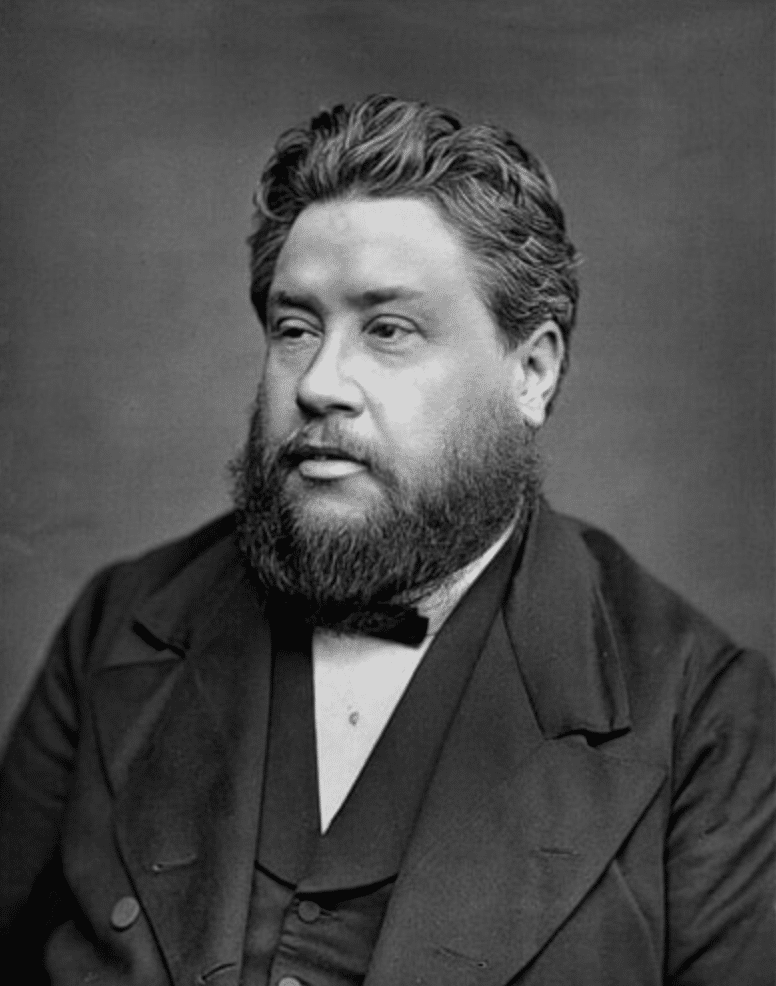 His 3,561 sermons have been bound into sixty-three volumes—the most extensive set of books by a single author in the history of Christianity. He also wrote several books, including his commentary series on the Book of Psalms, The Treasury of David.
On his 50th birthday, a list of 66 organizations he had either founded or oversaw was read. In other words, by any standard, the dude was successful.
He was a family man. He cared for his wife, who had serious health issues that made her a virtual invalid at the young age of thirty-three.
He was reported to have had a great disposition and a sharp wit. He was a man’s man who loved to smoke a cigar.
Spurgeon's Depression
Surprisingly, Spurgeon also struggled with severe depression. Thankfully, he didn’t keep it a secret. He wrote about his struggles. For instance, Spurgeon gave us a glimpse into his experience with depression when he wrote the following:
“Fits of depression come over the most of us. Usually cheerful as we may be, we must at intervals be cast down. The strong are not always vigorous, the wise not always ready, the brave not always courageous, and the joyous not always happy.” —Charles Spurgeon [1]
“I find myself frequently depressed – perhaps more so than any other person here…” —Charles Spurgeon [2]
In 1858, at the age of 24, Spurgeon wrote:
“My spirits were sunken so low that I could weep by the hour like a child, and yet I knew not what I wept for…” —Charles Spurgeon [3]
He even went so far as to describe his depression like this:
“I am the subject of depression so fearful that I hope none of you ever get to such extremes of wretchedness as I go to…”
—Charles Spurgeon [4]
Years before it became acceptable to talk about personal struggles with mental health, let alone the mental health of pastors, Spurgeon gave us a window into his very personal mental health challenges.
Christians and Depression
Author John Lockley once wrote:
“Being depressed is bad enough in itself, but being a depressed Christian is worse. And being a depressed Christian in a church full of people who do not understand depression is like a little taste of hell.” —John Lockley [5]
The dilemma is even worse for pastors, clergy members, and ministry leaders. Much worse.
What do the latest research and statistics reveal?
The Stats on Pastors, Discouragement, and Depression
A 2022 survey by Lifeway Research revealed that 48% of pastors (almost half of all the pastors you meet) indicate that discouragement was a challenge. Nearly 1 in 5 (18%) indicate that depression was also an issue.[6]
 Think about the implications of this research. If there are 10 churches in your city, it’s possible that 5 of the lead pastors are dealing with discouragement, and 2 are struggling with depression.
In 2023, the Barna Group released a report indicating that pastor’s mental and emotional health plummeted from 39% in 2015 to just 14% in 2023. [7]
The same report revealed that in the last year, 60% of pastors have doubted their calling, one-third have considered quitting the ministry, and nearly one in five senior pastors in the U.S. have contemplated self-harm or suicide in the last year. [8]
Why is there a current crisis among American pastors?
Several possible reasons could be listed, but I’ll share three.
Reasons for the Current Crisis:
-
Unrealistic expectations.
A few decades ago, I ran across a piece that described “the perfect pastor.” I’ve updated it for this post. With tongue in cheek, the article read as follows:
The Perfect Pastor — A Job Description:

A new study based on a computer program and algorithm has identified the most important characteristics of the perfect pastor.
Preaches exactly 20 minutes.
His messages are thoroughly researched, intellectually sharp, biblically accurate,
always down-to-earth, life-related, very “anointed,” and incredibly funny.
He makes you laugh, cry, think, repent, and smile during the same sermon.
He speaks truth, challenges your thinking, questions your assumptions,
pushes against the status quo, but does it all in a way that never upsets or offends.
He loves babies, children, teenagers, and young adults while also spending all of his time hanging out with senior citizens.
He works from 8 am until 10 pm but has a model marriage and a stellar family life.
He makes $43,000 a year but lives in a beautiful house, wears great clothes, drives a dependable automobile,
can purchase tons of books for study and research,
and gives 20% of his income to the local church and 10% to missions.
He’s 36 years old and has 40 years of experience.
He’s tall on the short side.
He’s heavy-set in a thin sort of way.
He is handsome.
His wife is beautiful.
His children are picture-perfect.
But all in a plain, homely, and non-threatening way.
He smiles constantly while keeping a straight face because he has a keen sense of humor that keeps him seriously dedicated.
He visits 15 members of the congregation every day, and spends all of his time in outreach to people in the community,
but can also be found in the church office if he’s ever needed.
He never misses a meeting, a wedding, a memorial service,
or the sporting event of one of the students in the church.
He is always happy, never sad.
Always serious and never depressed.
Unfortunately, this pastor isn’t available.
He experienced pastoral burnout and died at the age of 36.
The point should be obvious.
The perfect pastor doesn’t exist. Never has. Never will.
Here’s the truth about your pastor and every pastor. He or she is a broken, flawed, ordinary human being with the same limitations, hurts, hopes, and dreams you live and struggle with.
Cut him or her some slack.
Perfectionism isn’t only exhausting; it’s deadly. It strangles the life out of creativity. It damages relationships. It is an impossible image to maintain.
One of the reasons many pastors are struggling is due to the weight of unrealistic expectations they have for themselves and many church members and constituents place on them.
The unrealistic expectations I lived with and under were primarily placed on me by…me. My deep insecurity created a desperate need for belonging that drove me to push myself well beyond the expectations of anyone and everyone. It finally caught up.
-
Relentless criticism.
If you’re a pastor, you will be criticized. It’s just a matter of time. Maybe not today. Maybe not tomorrow. But at some point, someone will point their finger, weaponize their tongue, and level criticism against you. Sometimes, you’ll deserve it. Many times, you won’t.
With the advent of social media, the criticism pastors face is sometimes incessant.
It’s interesting that most of the time, the criticism and conflict don’t involve disagreement about serious doctrinal or ethical issues. Instead, it often involves secondary and even trivial matters that people conflate into primary issues.
To make matters worse, all too often, it’s not aired personally and privately. Matthew 18 is completely shelved. Instead, people conveniently go online and level veiled accusations. At other times, they go online and air all their dirty laundry very publicly before God, the church, and every “friend” and acquaintance on Facebook.
Again, while I’m sure some pastors have done things that should be criticized and even condemned—after all, they’re human—most pastors are faithful, diligent, kind, caring, loving men and women with a heart to love and serve. Very few of them are trained and equipped to deal with the barrage of criticism that regularly comes their way.
Critics “R” Us
The music is too loud.
The music wasn’t loud enough.
Your preaching is too loud and energetic.
Your preaching isn’t loud or energetic enough.
You’re soft on sin.
You’re too judgmental and harsh.
Why don’t you align yourself with a political party? Aren’t you a _____ (fill in the blank of the critics’ preferred political party)?
Why did you align yourself with that political party? I can’t believe you’re a _____ (fill in the blank with the critics’ opposing political viewpoint).
Why did you talk about sex and sexuality from the platform?
Why don’t you talk about sex and sexuality from the platform?
Why are you so inclusive and accepting?
Why are you so firm and committed to biblical convictions?
I’ve actually shared a message before, walked off the stage, and been approached by people with completely opposite viewpoints about the very same message. It can be challenging.
Tim Keller nailed it when he wrote:
“The biggest danger of receiving criticism is not to your reputation, but to your heart. You feel the injustice of it and feel sorry for yourself, and it tempts you to despise not only the critic, but the entire group from which they come. ‘Those people…’ you mutter under your breath…” —Tim Keller [9]
Pastors must guard their hearts from the damage that unrelenting criticism can inflict (Proverbs 4:23; Jeremiah 17:9; Matthew 12:34).
-
Overwork and exhaustion.
Some time ago, I was interacting with a new acquaintance. He was helping me and my father-in-law install a drain in a bathtub. I know absolutely nothing about plumbing. Nothing.
A few minutes into our interaction, he asked me to assist with something. I was more than glad to. After all, that’s why I was there. I readily offered my assistance, but when I didn’t know how to perform the task, He looked at me and sarcastically said, “Are you a pastor?” I responded, “That’s what I’ve done all my life.” He smiled cynically and said, “Yeah, I thought so.” The implication was, “You pastors don’t know how to do anything, do you?”
Unfortunately, that’s the view far too many have of pastors. That we spend 35 minutes teaching on Sundays, 2 hours in preparation, play golf three times a week, and have 40 hours of freedom and fun hunting, fishing, playing golf, or video games.
Some pastors may fit into that category, but I don’t know them. The pastors I know are often underpaid, passionate, loving, kind, caring, diligent, hardworking people who serve not because they “have” to but because they “want” to.
Ministry Can Feel Overwhelming
According to Pastoral Care Inc.:
- 72% of the pastors report working between 55 to 75 hours per week.
- 84% of pastors feel they are on call 24/7.
- 52% feel overworked and cannot meet their church's unrealistic expectations.
- 54% of pastors find the role of a pastor overwhelming.[10]
Think about it like this: Pastors deal with members struggling with sickness, loss, relational challenges, divorce, sexual abuse, addictions, financial collapse, business challenges, and more week in and week out.
On top of that, if they’re in “full-time ministry,” they have to make room for Bible study, sermon preparation, planning, team development, leadership initiatives, board meetings, small groups, support groups, and the like regularly.
All of this has been and can still be mentally, emotionally, spiritually, and physically draining and devastating.
“And that’s not the half of it, when you throw in the daily pressures and anxieties of all the churches. When someone gets to the end of his rope, I feel the desperation in my bones. When someone is duped into sin, an angry fire burns in my gut.” —2 Corinthians 11:28-29 MSG
By the way, these bullets don't even cover the reality of spiritual warfare that may be more intense in 2025 than ever before.
What can we do in the face of the current stats and recent studies related to depression and pastor burnout?
Who pastors the pastor?
Five Suggestions for Churches
That Want To Love Their Pastor Well:
Here are five practical ways church leadership, boards, and congregations can meet the demands of this current crisis and love their pastors well.
1. Create a Culture of Love and Acceptance.
Let your pastor know you love and accept him or her unconditionally. There’s no need for masks, role-playing, or short-lived attempts at perfectionism.
Make your church a place where GRACE is in PLACE!
Not just for people but also for pastors.
That’s huge. In many congregations, grace is expected for people in the pew, but it is rarely extended to pastors. Unfortunately, all too often, the church not only shoots its wounded, it actually does the wounding and then carries out an execution.
A decision to love and accept your pastor will create an environment of trust that will enable him or her to grow in vulnerability. It will allow them to step out of hiding and be vulnerable and authentic with their woundedness, exhaustion, and needs.
According to Hebrews 4:15-16, Jesus is a “high priest” who “understands our weaknesses” but still invites us to His “throne of grace.” He sets the standard for the way we relate to one another and to our pastor.
We need to create church cultures that imitate the example of Jesus. Can you imagine the impact that could have on your pastor?
2. Express Appreciation and Encouragement.
 Several years ago, someone came up with the idea of Pastor Appreciation Day. It later morphed into the advent of Clergy Appreciation Month. Unfortunately, most churches don’t observe either. Even more regrettable, very few churches create cultures of appreciation and encouragement for the role of pastors. Very often, they take these men and women for granted.
Truett Cathy, the founder of Chick-Fil-A, once said that:
“The international sign to know if someone needs encouraging is if they are breathing. If they’re breathing, they need encouraging.” —Truett Cathy
Your pastor needs encouragement. He or she needs to know they are appreciated. Please don’t wait for one day or one month out of the year to share it. Create a culture of it in your local church. Be the person that starts an honor and encouragement revolution.
A Few Ways To Express Encouragement and Honor:
- Shoot your pastor a periodic text message.
- Give them a phone call.
- Send them a handwritten card or note.
- Post something encouraging about them on social media.
- Give them a gift certificate for a night out for their entire family.
- Remember their birthday with a card and/or a gift.
- Do the same at Christmas.
In 1 Timothy 5:17, Paul gave this charge to churches:
“Give a bonus to leaders who do a good job, especially the ones who work hard at preaching and teaching.” —1 Timothy 5:17 MSG
“…honor those who are your leaders in the Lord’s work. They work hard among you and give you spiritual guidance.” —1 Thessalonians 5:12 NLT
3. Provide a generous compensation package.
Former Lifeway Resources president and CEO Thom S. Rainer says that the tiny percentage of preachers who live lavishly shouldn’t serve as a reason to underpay the hundreds of thousands of pastors and associate pastors who serve faithfully.
Rainer says that while there are extreme examples of pastors who are lavishly overpaid, many are underpaid. [11] The average salary for pastors in America is $43,000 for men and $41,931 for women. [12]
Rainer believes that a variety of factors are essential when considering your pastor's compensation package, including education and geographic demographics. He indicates that the overriding principle churches should always strive for is to “be gracious” or generous. [13]
Financial lack creates stress and anxiety for everyone, including pastors. Far too many adult children of pastors can recount stories of the undue burden their parents were forced to carry due to the church’s lack of attention to the compensation their parents received.
“Those who are taught the word of God should provide for their teachers, sharing all good things with them.” —Galatians 6:6 NLT
4. Create a safe environment where your pastor can take time off and seek professional help.
Create the kind of environment where your pastor knows that it’s not only okay; it’s actually appreciated when they take a day off every week, time off occasionally, and a vacation at least once a year. Some churches also allow their pastor to take a 1-3 month Sabbatical every 7 years. This break can be so refreshing for the pastor and his family. It’s also beneficial for the church because it helps the pastor stay fresh and in it for the long haul.
As I’ve already mentioned, one of the many things that led to our marriage crisis was the relentless and unsustainable pace we lived at for far too many years.
On top of this, make it possible for your pastor to secure ongoing counseling and therapy. The impact will go a long way in ensuring that your pastor is equipped to go the distance. Counseling with a great Christian counselor has been a game-changer for Janet and me.
5. Pray like crazy for your pastor and his family.
 Praying for your pastor will change your heart for your pastor. It will increase your love, compassion, and understanding. It will also release spiritual power into your pastor’s life.
Perhaps this is why, on several occasions in the New Testament, Paul asked congregations to pray specifically with and for him (1 Thessalonians 5:25; Romans 15:30; Phil 1:19).
Several years ago, Peter Wagner wrote:
“The most underutilized source of spiritual power in our churches today is intercession for Christian leaders.” —Peter Wagner, Prayer Shield
E.M. Bounds, a man who knew and wrote much on the subject of prayer, made this significant statement:
“The men [and women] in the pew given to praying for the preacher [pastor] are like poles which hold up the wires along which the electric current runs. They are not the power… But they hold up the wires upon which the divine power runs to the hearts of men… They make conditions favorable for the preaching of the gospel.” —E.M. Bounds, The Weapon of Prayer [14]
Pray persistently and consistently for your pastor and his family.
Who pastors the pastor?
That’s the question we began with.
Thankfully, 1 Peter 5:4 gives us part of the answer. In a beautiful section where Peter challenges pastors to “care for the flock,” he also reminds these leaders that Jesus is “the Great Shepherd” and will personally acknowledge and reward their service to God and His people.
In John 10, Jesus called Himself “the Good Shepherd” (11, 14). It’s vital that every pastor knows that Jesus is their “good” and “great shepherd” who has promised to shepherd not only His sheep but every faithful shepherd.
But at the local level, every church must realize that before their pastor became a pastor, he or she was and always will be a “sheep.” In other words, your pastor struggles with the same issues, problems, fears, anxieties, hurt, and pain that everyone in the congregation struggles with.
“Those of us who are strong and able in the faith need to step in and lend a hand to those who falter, and not just do what is most convenient for us. Strength is for service, not status. Each one of us needs to look after the good of the people around us, asking ourselves, ‘How can I help?’” —Romans 15:1-2 MSG
That includes your pastor.
Practice persistent prayer by praying consistently for your pastor and his family.
Put These Five Practices Into Practice
The five practices described in this post can create a culture that will allow both pastors and people to flourish and thrive.
- Create a Culture of Love and Acceptance
- Express Appreciation and Encouragement.
- Provide a generous compensation package.
- Create a safe environment where your pastor can take time off and seek professional help.
- Pray for your pastor. Pray like crazy for your pastor and his family.
To learn more about healthy practices for pastors and church leaders, check out the ISOW course, “Starter Guide to Ministry” by Dr. Bryan Cutshall and Evangelist Perry Stone (In English Only). The lessons “Guarding the Anointing,” “How to Handle Criticism,” and the bonus session on “Pressures of Ministry” provide helpful resources for every pastor and ministry leader.
To view courses in Spanish, click here.
[1] Charles Spurgeon, The Minister’s Fainting Fits.
[2] Charles Spurgeon, The Minister's Fainting Fits, Lectures to My Students, Lecture XI, 1856.
[3] Dr. Darrell W Amundsen, The Anguish and Agonies of Charles Spurgeon, http://www.christianitytoday.com/ch/1991/issue29/2922.html, quoted by John Piper in his message, Charles Spurgeon: Preaching Through Adversity.
[4] 2200 Quotations from the Writings of Charles H. Spurgeon, compiled by Tom Carter (Baker Books, 1988)
[5] Quoted by David Murray in Christians Get Depressed Too (Kindle Locations 144-146). Reformation Heritage Books. Kindle Edition.
[6] https://research.lifeway.com/2022/04/26/stress-tops-mental-challenges-pastors-face/
[7] https://www.ncfgiving.com/stories/the-state-of-pastors/?utm_source=chatgpt.com
[8] https://www.ncfgiving.com/stories/the-state-of-pastors/?utm_source=chatgpt.com
[9] https://timothykeller.com/blog/2009/12/16/how-do-you-take-criticism-of-your-views#:~:text=Don't%20do%20it.,you%20really%20got%20something%20wrong.
[10] https://www.pastoralcareinc.com/statistics/
[11] https://www.christianpost.com/news/church-consultant-on-the-quiet-issue-of-pastors-salaries.html
[12] https://www.zippia.com/pastor-jobs/demographics/
[13] https://churchanswers.com/podcasts/rainer-on-leadership/setting-a-fair-pastoral-salary-rainer-on-leadership-116/
[14] E.M. Bounds, The Weapon of Prayer, Location 1060, Kindle Ed